Find Your Inner Moses

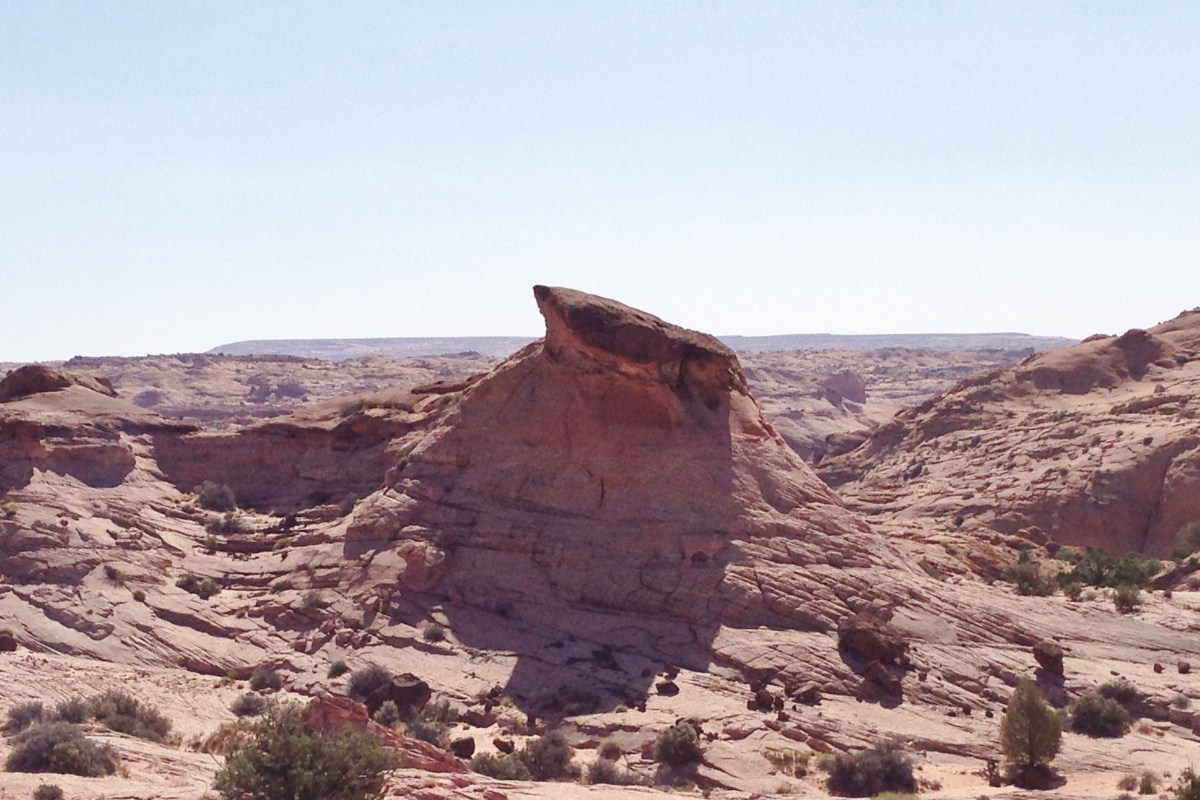
This essay is inspired by my run into the desert:

Moses was herding sheep in the desert when, likely as a result of malnutrition and dehydration, he had a vision of a burning bush. This was a hallucination, but it speaks to a reality like any archetypal metaphor, symbol or myth. The burning bush was a proof of the sacred- the benevolent flame kindling on the inside- and acted as motivation to dedicate Self to this presence. When Moses survived and his story spread in the historical tradition, he was deemed a prophet, a chosen vessel to dictate divine lessons to the masses. The masses are now his flock, encouraged to take his vision and message as law, because it is assumed that the patriarch carries greater clarity than the discoveries derived from Self.

In various Native American traditions (Navajo, Hopi), there is a juxtaposition of this philosophy. There are many Moses figures and he is not a patriarch, but an example to take a personal desert journey. The crucial rite of passage into maturity is the self-guided vision quest.  This occurs when a young man or woman enters into the isolation of the wilderness and is forced into a period of self deprivation with the intent on bringing about a personalized epiphany. If a transformative moment is reached, the vision quest is a success. In this tradition everyone is Moses, not just the destined selected prophets. In the Judeo-Christian tradition, the masses are Hebrews, followers of an unquestioned tract, just like the flock of sheep. We are encouraged to avoid the wilderness, engage in commerce and focus on civility.

For many, there is really not too much wrong with that.

Cultural traditions are based on cultural structures: a nomadic tribe will need strong individuals while a populated city requires a slightly diminished sense of Self to allow for an easier controlled community. Yet, we still have the biological make up of nomads. Even though we wear clothes, there are naked processes influencing our behavior and health. As a result, modern human holds the capacity to grow from the vision quest. This should not be a lost ritual in crowded times and it is important to find one’s inner Moses on the journey for self-actualization.
The Water that Binds us (Panama Trip Overview)

The theme of the trip came ringing to my ears during my first moments in Panama City. While Missy and I wove through the streets of the Casco Antiguo district of Panama City, bells from Church towers rang and clanged, echoing off the alleys and plazas. “For Whom the Bell tolls,” sang as the noise reverberated in my head, “for whom the bell tolls,” which are the final lines of the 17th century poem by John Donne.

Interestingly, his famous work starts:

For whom the bell tollsNo man is an island,

Entire of itself.

Each is a piece of the continent,

A part of the main.

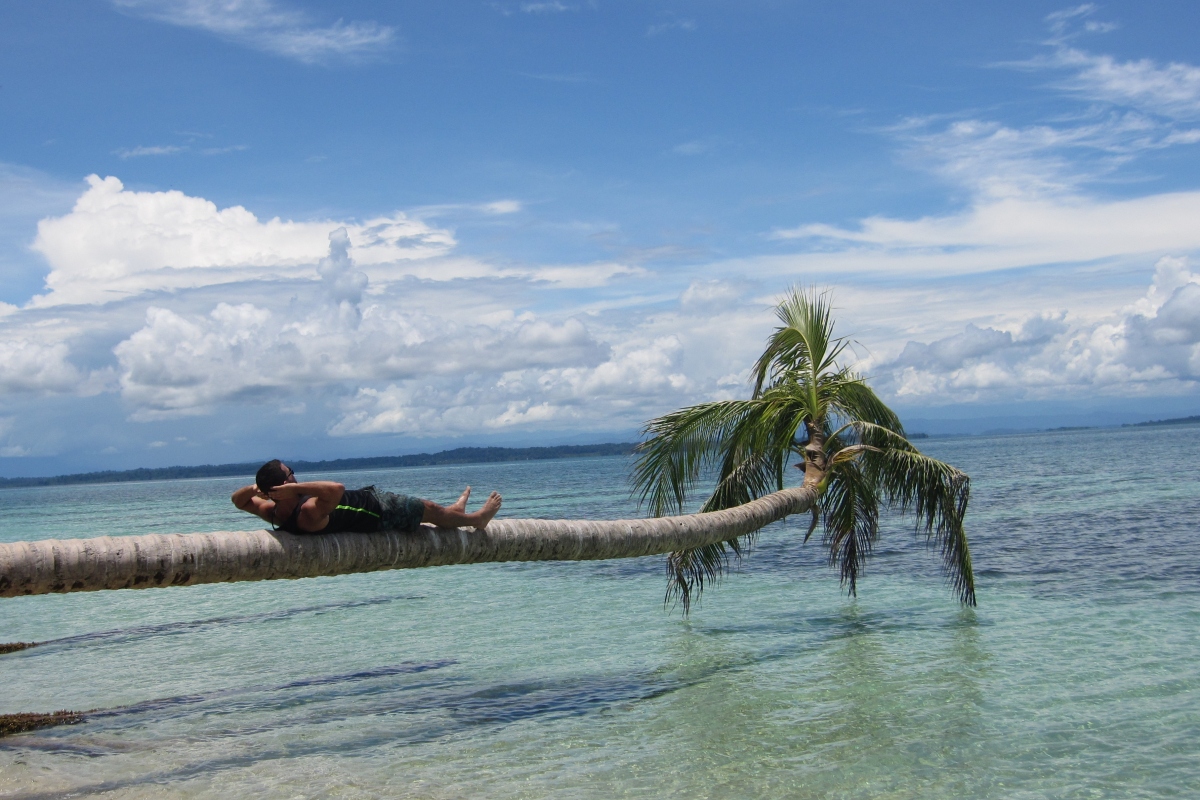
Man is not isolated but part of a greater whole, effecting others like an organic syncytium. Pondering about this poem brought about some discordance since, unlike his message, our trip would bring us island hopping in the archipelago of Bocas del Toro. Islands that were remote, off the grid and seemingly disconnected.

Eagle eye viewBefore heading out of the city, we remained on the mainland to check out the Panama canal, the man made waterway that splits up the continent and bridges two major oceans- Atlantic and Pacific. It became clear that the canal was a national symbol representing a connection between traditional and modern, East and West, developed and developing worlds. Entering Panama City is like entering a very familiar city, on the surface. Traffic and sky scrapers make with the blink of an eye one feel like they are in Miami. Yet, lightly scratching the surface reveals a wonderful historical yolk that has not quite caught up to speed.

IMG_0737 IMG_0740

When Missy and I planned the trip, we chose to spend most of our time in Bocas del Toro with the intended goal of seeking maritime relaxation on the sand because we were traveling from Wisconsin a day after I was to complete an Ironman triathalon. We thought that this would be a passive, low activity getaway to recover from a grueling race, but this turned out not be the case.

I was right about the debilitating nature of the race. I had pain all over my body including areas that were new to the pain process for me. It was a burden to walk, carry bags, sit, stand and lay in most positions. After the first two days, I loosened up and could start feeling myself. It was not too long before we discarded our plan for calm and we dove right into exploring the rich treasures of Bocas.

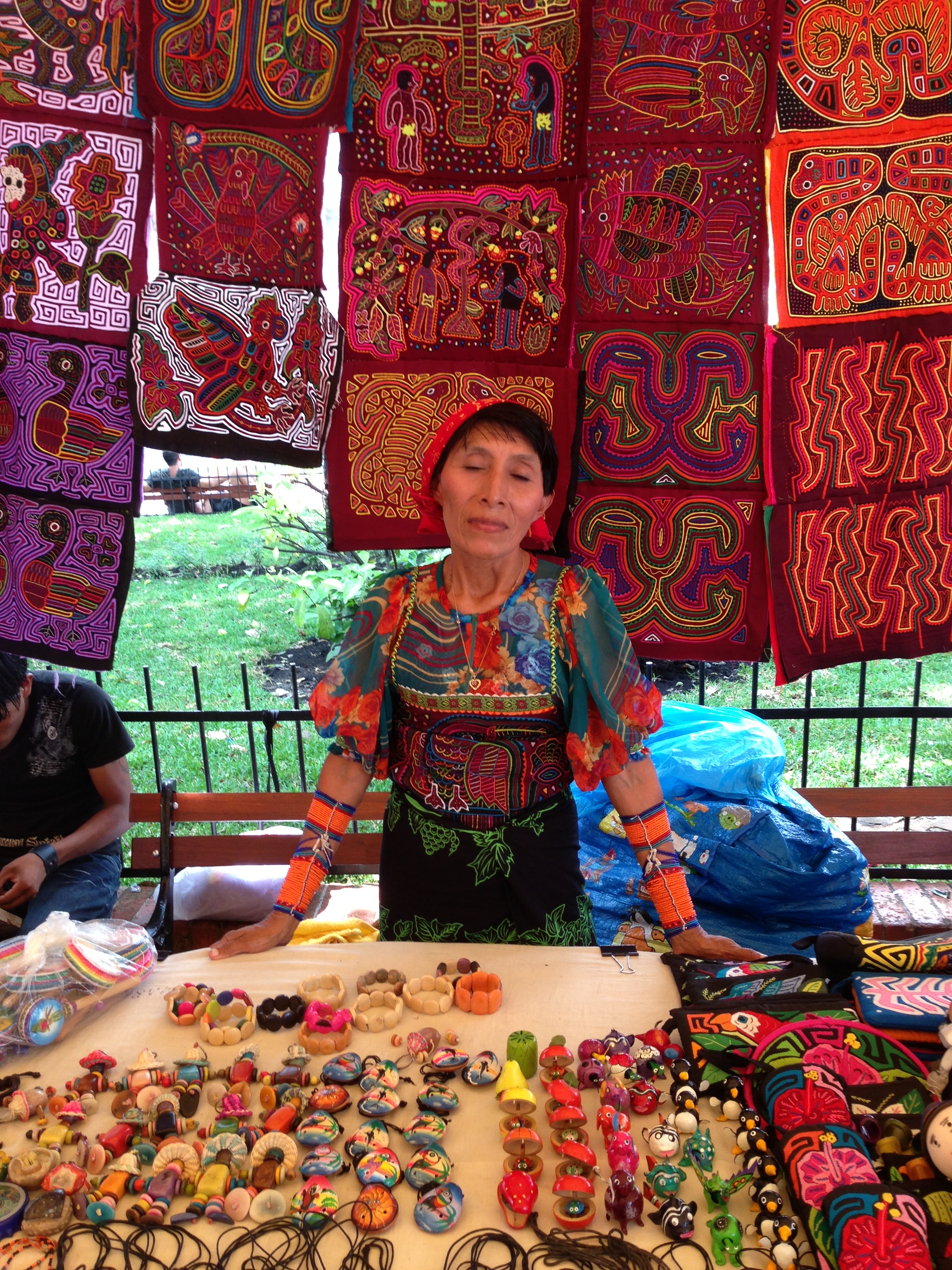
IMG_7428We spent the week living and learning about the Ngobe (na-vay) and Naso Indian communities while removed from common tourist and other modern comforts like air conditioning and IPA beers. Days were spent exploring beaches instead of resting on them. We spent little time shopping and much effort climbing up steep muddy slope sides leading to villages without roads.

Even though I was amazed by the diversity in culture, geology and animal life that existed between the closely spaced islands, I kept on thinking about that John Donne poem, “No man is an island.” The Ngobe and Naso in one sense could argue in favor of this sentiment by the monumental importance placed on family, community and tradition. Yet, survival was not solely predicated on the strength of these bonds but required an extreme sense of self-reliance in these sometimes harsh, remote conditions.

IMG_7371

I came to appreciate that Carl Rogers, the influential humanist psychologist shed great wisdom on these musings. He wrote, “Each person is an island unto himself, in a very real sense; and he can only build bridges to other islands if he is first of all willing to be himself.”

Panama had its share of bridges, but it was the canals and other waterways that impressed upon me the fluidity of connection. Travel brings out this important message. In order to follow that audacious road to new cities and communities, success depends on how deeply one has traveled in Self. When one learns to boldly walk through the sand in their own island, they can better swim in the currents to Other. It is the water that binds us and enriches our uniqueness.

Places we visited:

Panama City

This slideshow requires JavaScript.

Bocas del Toros

-Dolphin Bay with the Ngobe tribe

This slideshow requires JavaScript.

-Soposo tours to stay with the Naso tribe

This slideshow requires JavaScript.


Panama 2013 Trip Report